Yoga & Stretching Exercise
Importance of Yoga & Stretching
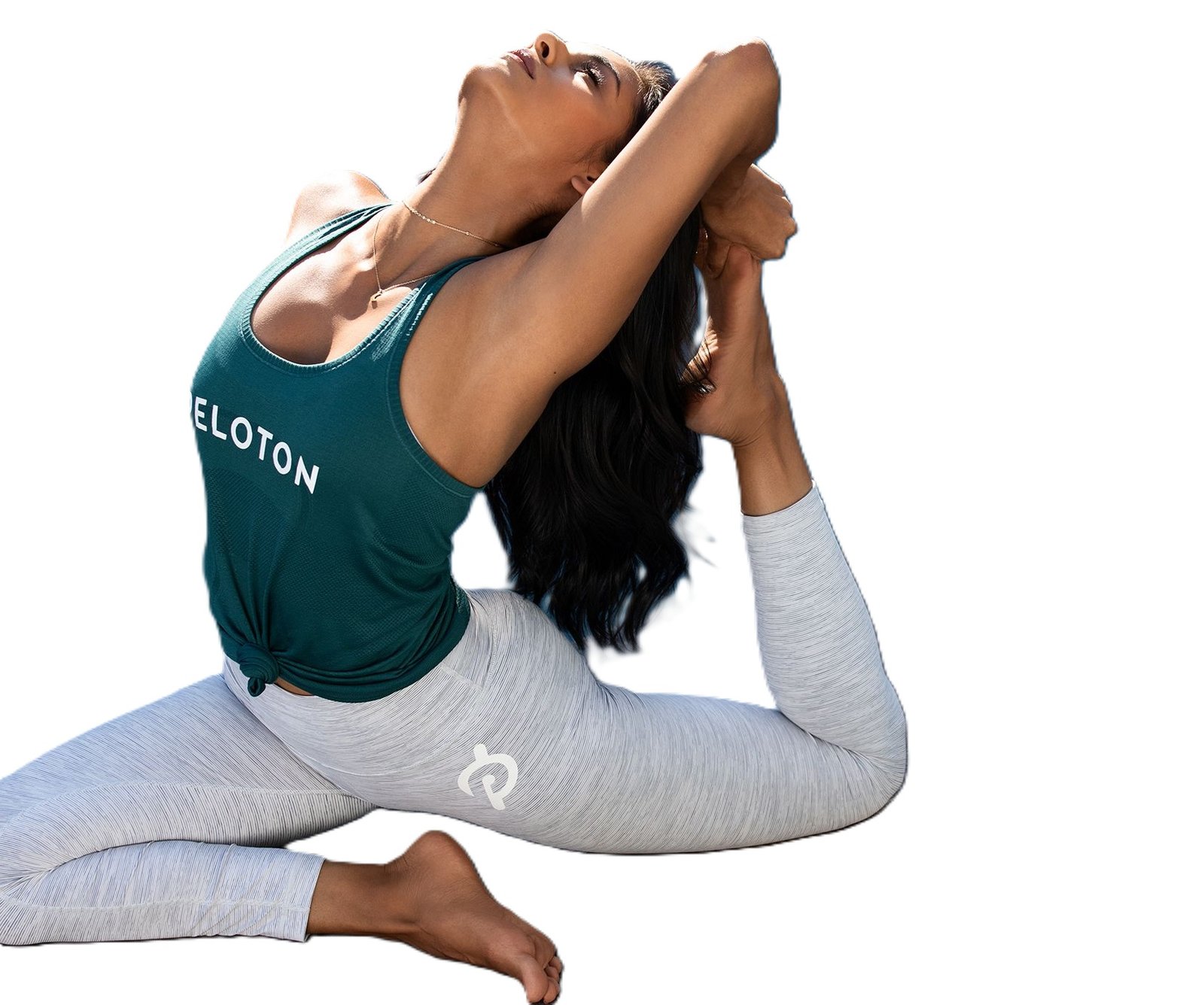
Yoga and stretching are essential practices for maintaining flexibility, mobility, and overall wellness. Tech professionals who spend hours hunched over keyboards develop tight muscles, poor posture, and chronic pain. Regular yoga and stretching counteract these negative effects by improving flexibility, reducing muscle tension, enhancing circulation, and promoting mental relaxation. Yoga combines physical postures with breathing techniques and meditation, offering benefits beyond mere stretching. Whether you're looking to improve flexibility, reduce stress, heal injuries, or simply feel better in your body, yoga and stretching are transformative practices that should be part of every fitness routine.
How To Do (Basic Yoga Flow)
- Find a quiet, comfortable space with enough room
- Use a yoga mat for cushioning and grip
- Wear comfortable, loose-fitting clothing
- Begin in Child's Pose for 1-2 minutes (relaxation)
- Move to Cat-Cow Pose, alternating 10 times (warm-up)
- Flow to Downward Dog for 5 deep breaths (inversion)
- Move through Standing Forward Fold (hamstring stretch)
- Practice Warrior I and II Poses (strength and stability)
- Hold Triangle Pose on each side (full body stretch)
- Return to Child's Pose for final relaxation
- End with Savasana (corpse pose) for 5-10 minutes
Benefits & Advantages
- Enhanced Flexibility: Gradually increases range of motion in all joints
- Stress Relief: Reduces cortisol and promotes relaxation
- Better Posture: Strengthens supporting muscles and corrects alignment
- Improved Circulation: Enhances blood flow and oxygen delivery
- Mental Clarity: Calms mind and improves focus and concentration
- Pain Reduction: Alleviates chronic pain from tension and muscle tightness
- Balance Improvement: Enhances proprioception and stability
- Better Sleep: Promotes deeper, more restorative sleep
- Injury Prevention: Reduces risk of strains through improved mobility
Pros
- Low-impact and joint-friendly
- Minimal equipment needed (just mat)
- Can be practiced by all ages and fitness levels
- Combines physical and mental benefits
- Highly adaptable and customizable
- Promotes body awareness and mindfulness
- Community and social aspects available
- Immediate tension relief benefits
Cons
- Requires patience for noticeable improvements
- Learning proper form takes time
- Can be expensive with classes or studio memberships
- Some poses challenging for those with injuries
- Misinformation online about proper technique
- Not ideal for those wanting intense cardio
Tips for Better Practice
- Start with beginner classes or videos
- Focus on breath control - in through nose, out through mouth
- Never force or bounce into stretches
- Hold each pose for 5-10 deep breaths
- Practice consistently 3-5 times weekly
- Listen to your body and respect your limits
- Practice on empty or light stomach
- Invest in quality yoga mat for proper support
- Consider guided class or instructor feedback initially
Precautions
- Don't push into pain - stay in discomfort zone only
- Avoid deep twists with spine injuries
- Be cautious with inversions (head down poses)
- Don't hold breath - maintain steady breathing
- Avoid intense yoga in first trimester of pregnancy
- Skip certain poses with knee or hip injuries
- Don't practice on full stomach
- Avoid high blood pressure with certain inversions
When To Avoid
- Acute injuries requiring immobilization
- Severe osteoporosis (certain poses)
- Recent surgery (until cleared by doctor)
- High blood pressure (avoid certain inversions)
- Uncontrolled spinal conditions
- Retinal problems or detached retina
- Recent abdominal surgery
Yoga Styles & Variations
- Hatha Yoga: Traditional slow-paced style, perfect for beginners
- Vinyasa Yoga: Dynamic flow-based practice linking breath to movement
- Yin Yoga: Deep, long-held stretches for ultimate flexibility
- Power Yoga: Faster-paced, strength-building variations
- Restorative Yoga: Gentle, relaxation-focused practice
- Ashtanga Yoga: Structured sequence of poses in specific order
- Bikram Yoga: Heated room practice for increased flexibility
- Kundalini Yoga: Spiritual practice combining poses, breathing, meditation